

Here's where Part 108 actually stands, and what real estate drone shoots still can't do until it publishes.
KEY TAKEAWAY
The FAA's Part 108 rule, which would legalize routine beyond-visual-line-of-sight drone flights, missed its February 2026 deadline. The final rule reached White House regulatory review (OIRA) on July 10, 2026, with publication now realistically expected in late 2026 or early 2027. Until then, Part 107 line-of-sight rules still govern every real estate drone shoot.
What Part 108 Actually Changes
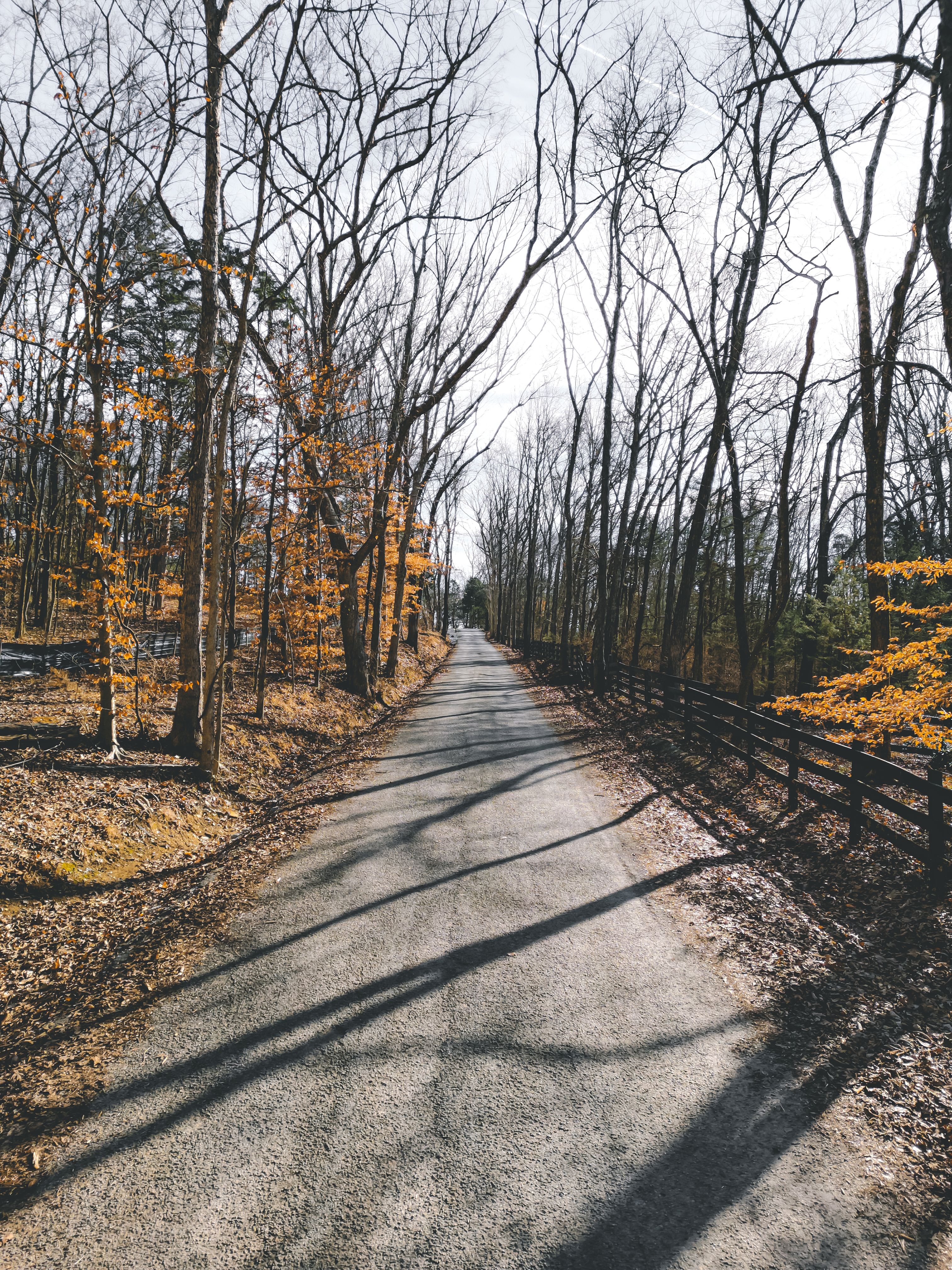
Right now, every commercial drone flight in the U.S., including every listing we shoot, has to stay within the pilot's direct line of sight. That's the core rule under FAA Part 107, and it's why a real estate drone shoot means walking the property with the controller rather than sending the aircraft somewhere out of view.
Part 108 would change that. It's the FAA's proposed rule for routine beyond-visual-line-of-sight, or BVLOS, operations, meaning a certified pilot could legally fly a drone farther than they can physically see it, without applying for a one-off waiver each time. For real estate and land coverage specifically, that opens up flights over acreage, tree lines, and long boundary runs that a line-of-sight rule makes impractical today.

LOCAL INSIGHT
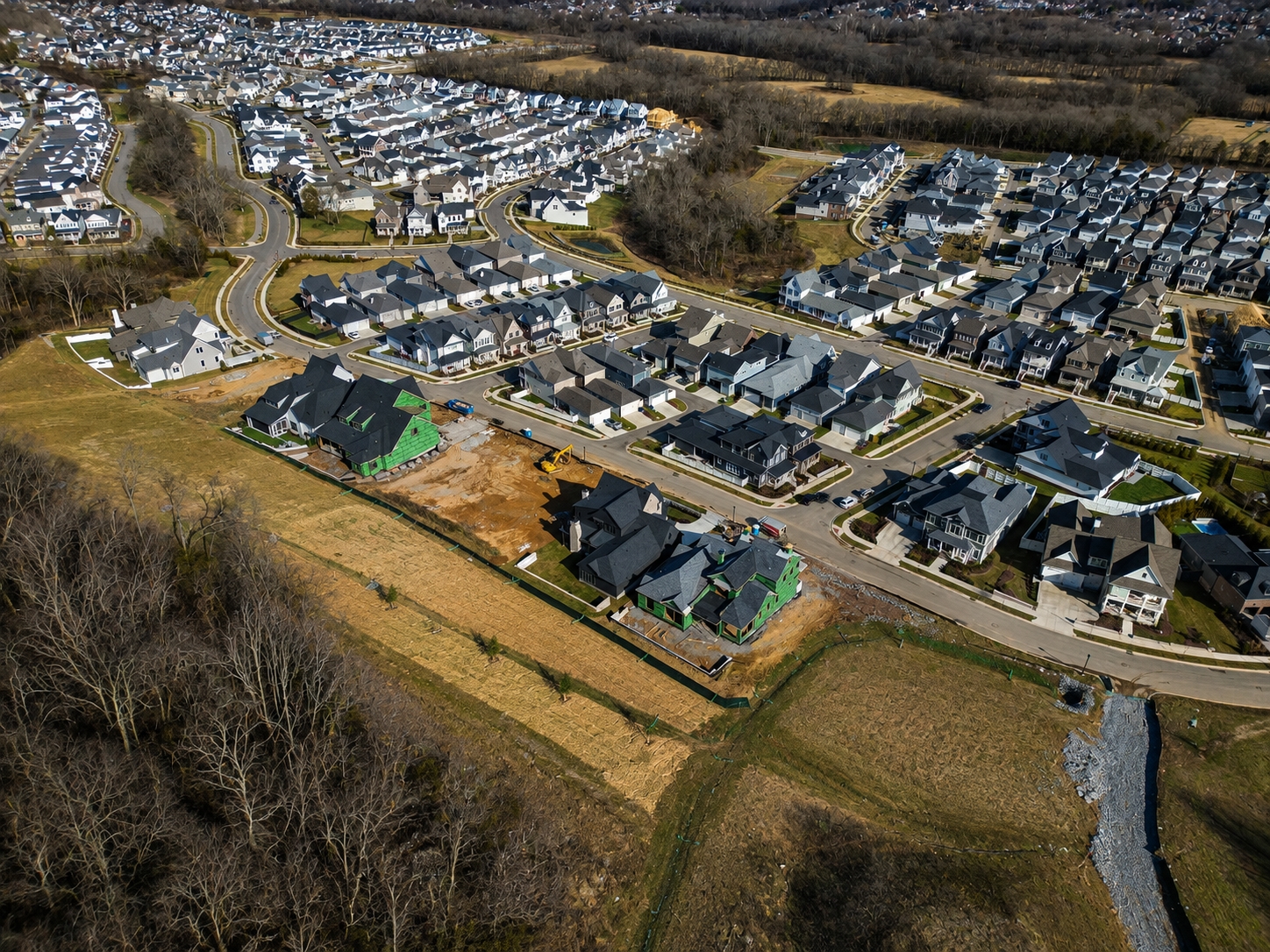
Middle Tennessee's acreage-heavy developments, mountain retreat communities, historic estate infill like Magnolia Hall, and large working farms are exactly the kind of properties BVLOS was designed for; they're also exactly the properties still hardest to cover fully under today's strict line-of-sight rule.
Why the Rule Missed Its Deadline
Part 108 has been moving through the federal rulemaking process for a while. The FAA published the proposed rule in the Federal Register on August 7, 2025, opening a standard public comment period that closed October 6, 2025. In January 2026, the FAA reopened comments specifically on detect-and-avoid technology and right-of-way rules, closing that window February 11, 2026.
Two deadlines came and went during that process. The FAA Reauthorization Act of 2024 set a statutory deadline of January 2026 for a final BVLOS rule, and a June 2025 executive order separately directed the agency to finalize within 240 days, landing on roughly February 1, 2026. Neither held.
The rule everyone's been waiting on to fly farther just keeps flying past its own deadlines.
Where the Rule Stands Right Now
As of this writing, Part 108 still hasn't published as a final rule. On July 10, 2026, the FAA sent the final version to the Office of Information and Regulatory Affairs, or OIRA, the White House office that reviews significant federal rules before they can go into the Federal Register. That's the last procedural stop before publication.
OIRA review of a rule this size can run up to 90 days, which puts a realistic publication window somewhere in late 2026 or early 2027, not the summer 2026 timeline some in the industry were hoping for. Even after it publishes, operators typically get a compliance runway before enforcement actually starts.
Quick Stats
NPRM Published
August 7, 2025
Statutory Deadline
Missed twice: January 2026 and February 1, 2026
Sent to OIRA
July 10, 2026
Expected Publication
Late 2026 to early 2027
What Doesn't Change for Real Estate Shoots Today
Nothing about how we fly changes yet. Every drone flight we do still operates under Part 107: FAA Remote Pilot Certification, a 400-foot altitude ceiling, direct visual line of sight with the aircraft at all times, and current liability insurance. If a job requires coverage beyond what a line-of-sight flight can capture, right now that still means a waiver request or, more often, working around it with a different flight plan or equipment.
BEST FOR
Real estate professionals and drone operators tracking when routine beyond-visual-line-of-sight flights become legal for commercial use.
What to Watch For When It Lands
When Part 108 does take effect, it won't be a blanket "fly anywhere" rule. The draft framework requires detect-and-avoid systems on the aircraft, Remote ID broadcasting, continuous position tracking, and integration with UTM, the FAA's drone traffic management system, before an operator qualifies for routine BVLOS flights. It also covers aircraft up to 1,320 pounds, well beyond anything used in real estate media.
That would matter most on the acreage-heavy jobs we already shoot regularly: master-planned mountain communities like The Retreat at Water's Edge, multi-lot developments like Magnolia Hall, and any listing where the property line runs well past what a pilot standing in one spot can track visually. Right now those jobs still get covered with multiple line-of-sight passes and repositioning; BVLOS would turn that into fewer, longer flights.
TIP
If a job needs coverage beyond direct line of sight today, a waiver request through the FAA is still the only legal path, not a workaround with altitude or zoom.
Common Questions About FAA Part 108
What is FAA Part 108?
Part 108 is the FAA's proposed rule that would allow routine beyond-visual-line-of-sight drone operations without a case-by-case waiver.
Has Part 108 been finalized?
Not yet, as of August 2026. The final rule is in review at the Office of Information and Regulatory Affairs after being filed on July 10, 2026.
When will Part 108 take effect?
A realistic publication window is late 2026 or early 2027, based on typical OIRA review timelines, though the FAA hasn't confirmed a date.
Does Part 108 change real estate drone rules right now?
No. Every commercial drone flight, including real estate shoots, still operates under Part 107's visual-line-of-sight requirement until Part 108 publishes and takes effect.
Do real estate drone pilots need special certification for BVLOS?
Under the proposed framework, yes, operators would need qualifying equipment, detect-and-avoid, Remote ID, UTM integration, in addition to their existing Part 107 certification.
Bottom line: Part 108 is coming, just not on the timeline the industry expected a year ago. Until it publishes, every real estate drone flight, ours included, still runs under the same line-of-sight rules that have governed the industry since 2016.