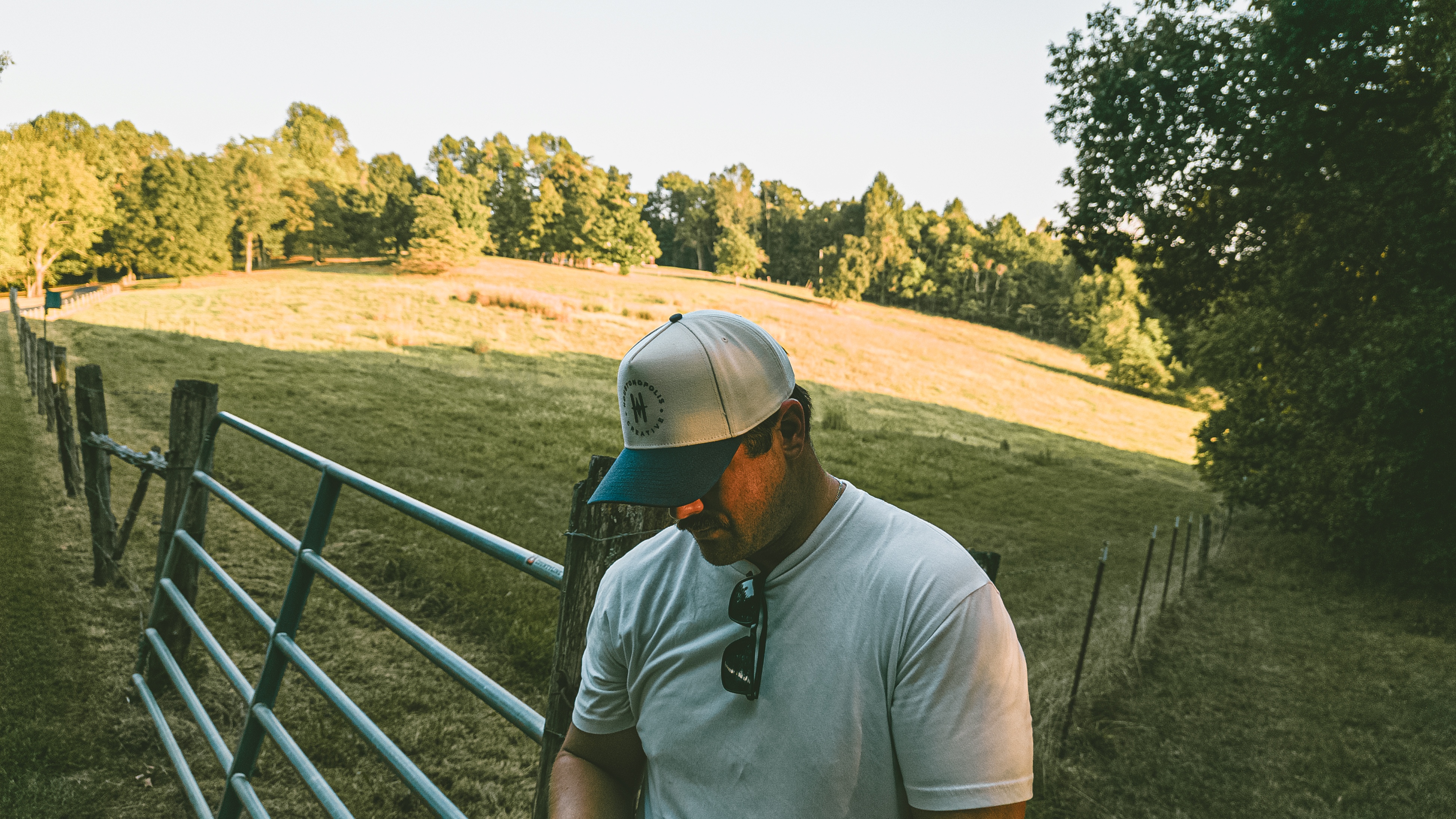


Every format has a real, measurable impact, but not the same one.
KEY TAKEAWAY
Photography sets the floor, video builds trust, and drone footage does the most to speed up a sale, but the data shows they compound rather than compete.
The Baseline: Professional Photography
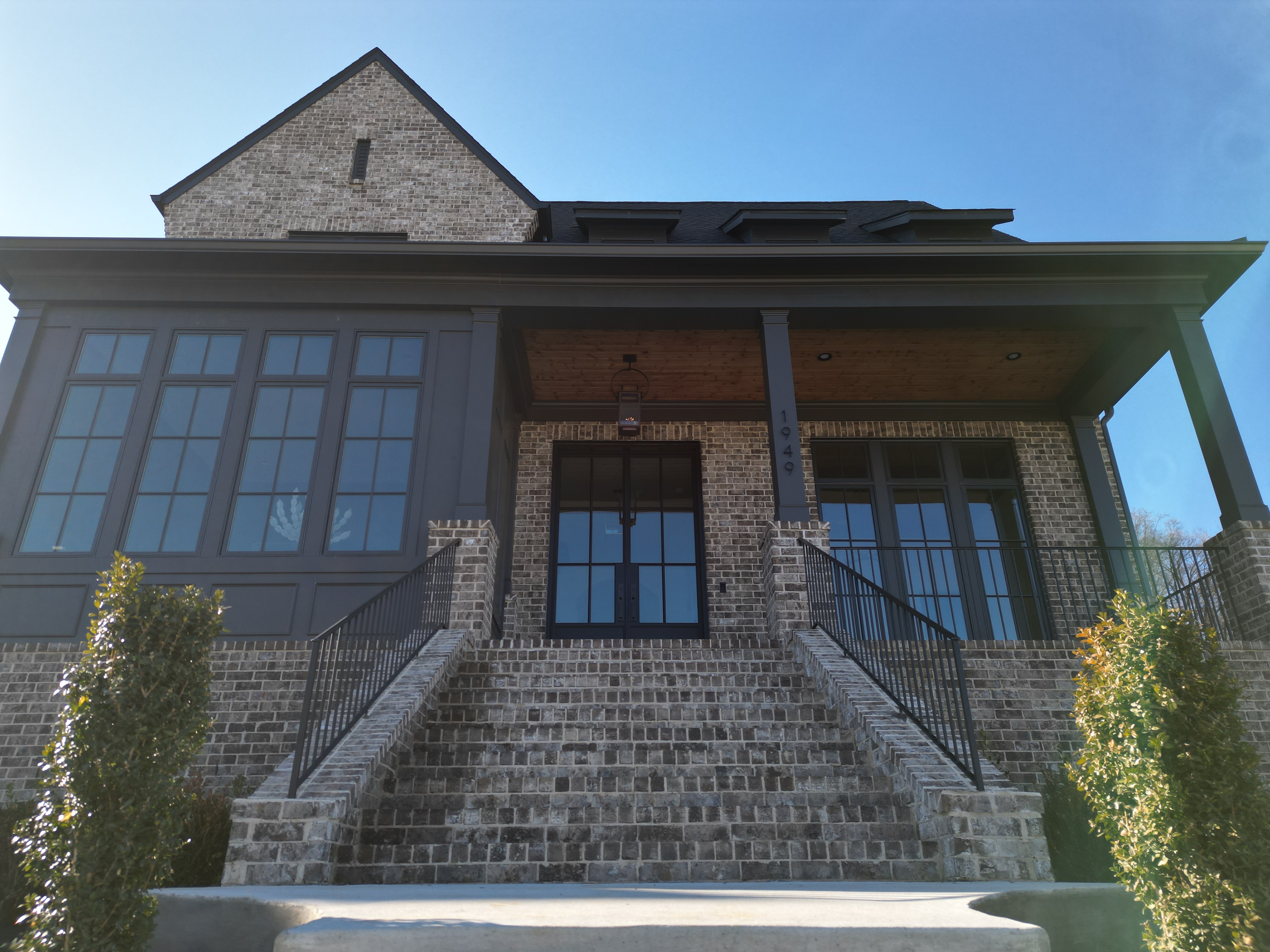
Redfin's analysis of home listings found that properties photographed by a professional sold 32% faster than those without, an average of 89 days on market versus 123 days for listings with amateur photos. Depending on price range, professionally photographed homes also sold for $3,000 to $11,200 more. High-quality photos alone drove 118% more online views compared to low-quality images.
This is the floor, not the ceiling. Every listing needs professional photography as a baseline, it's the format buyers see first, and first impressions decide whether they click into a listing at all.

LOCAL INSIGHT
In Middle Tennessee's fast-moving suburban markets, the first 48 hours of listing exposure often determine the bulk of a property's total showings, which puts even more weight on how strong the photos are on day one.
Video: Where Trust Gets Built
According to National Association of Realtors data, listings with video receive 403% more inquiries than listings without it, and homes marketed with video sell up to 31% faster. Video doesn't just show a property, it lets a buyer experience the flow of a home before they ever schedule a showing, which cuts down on unqualified walkthroughs and speeds up serious offers.
Photography gets the click. Video earns the trust. Drone footage closes the gap.
Drone Footage: The Speed Multiplier
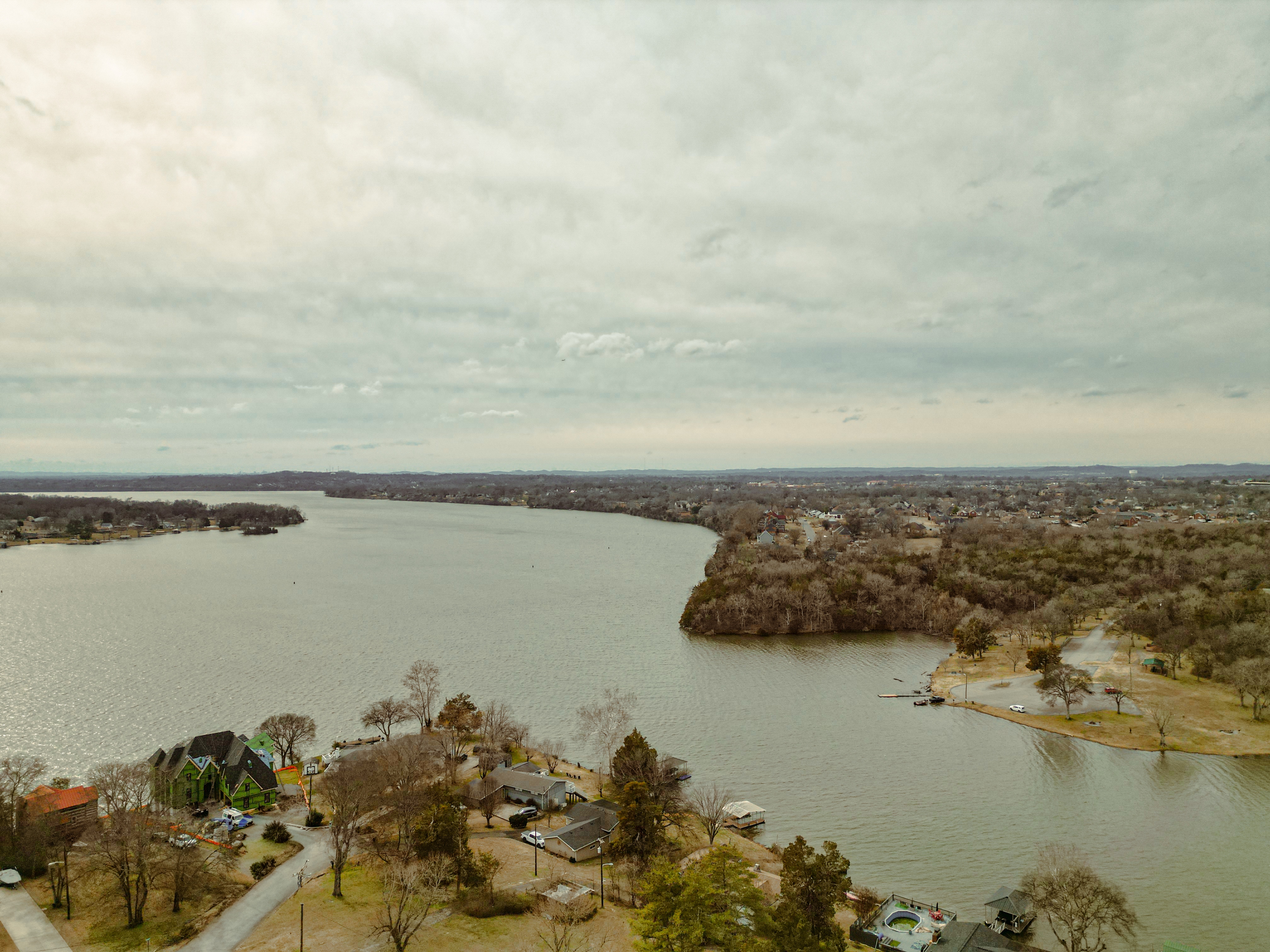
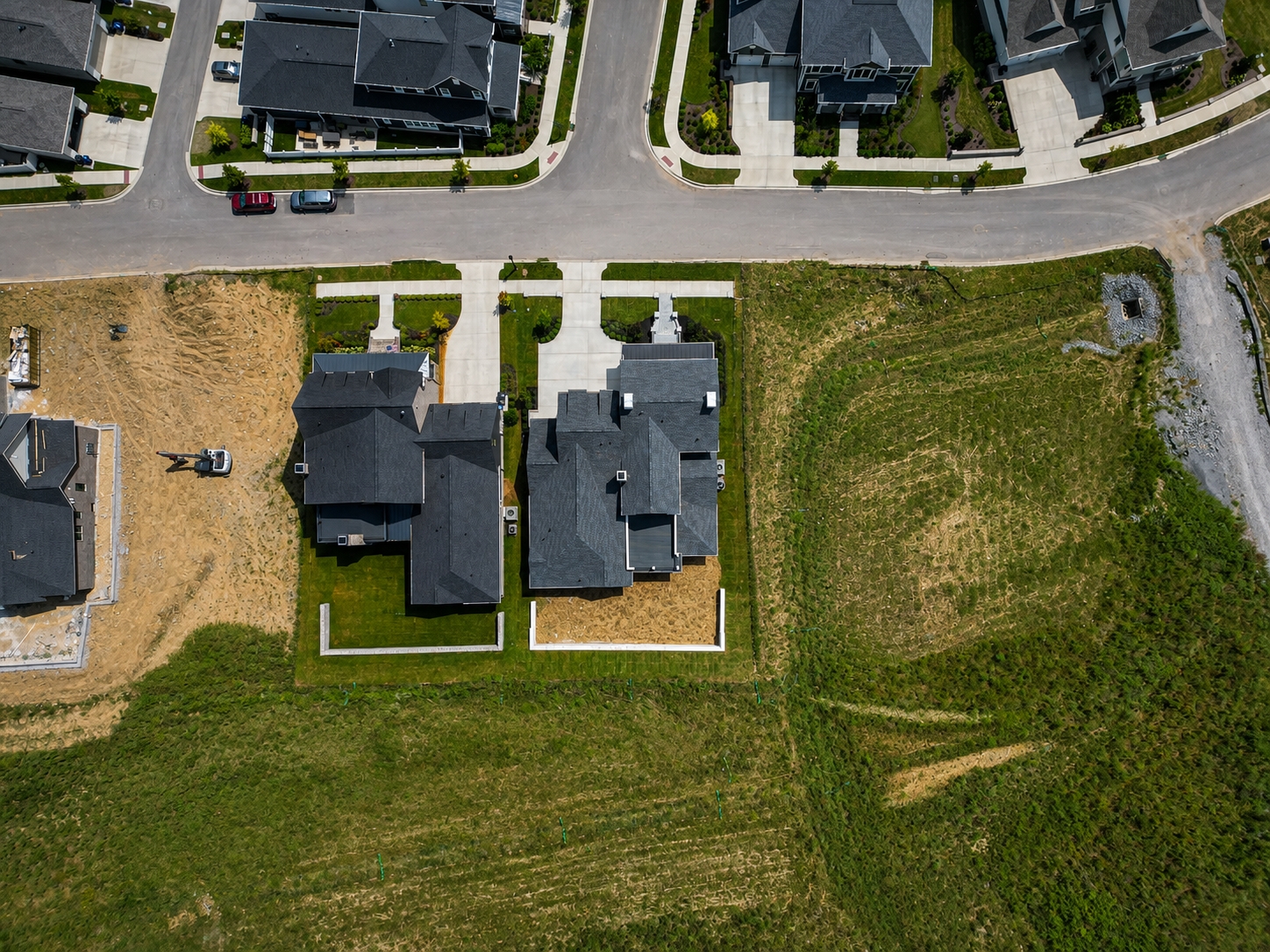
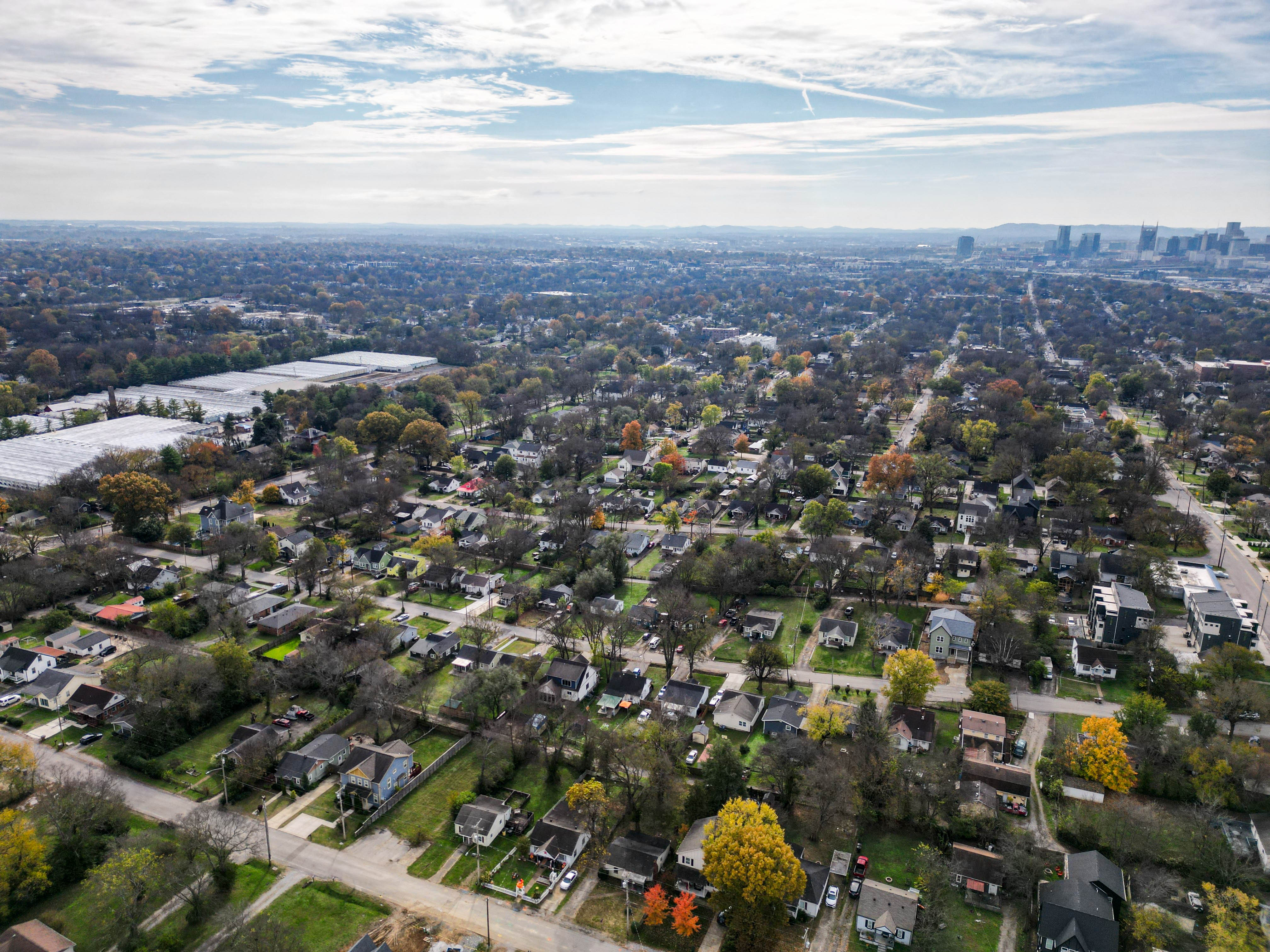
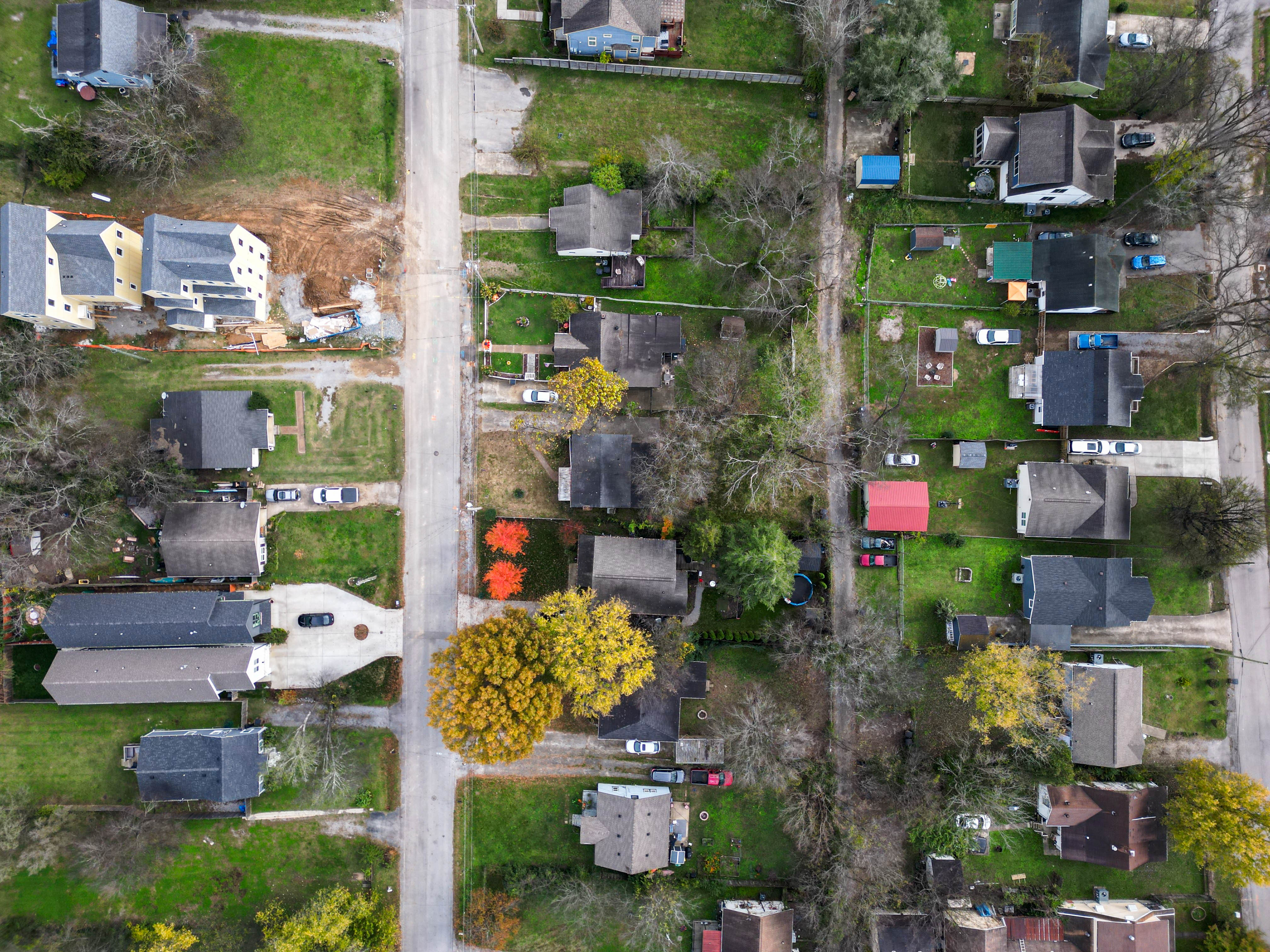
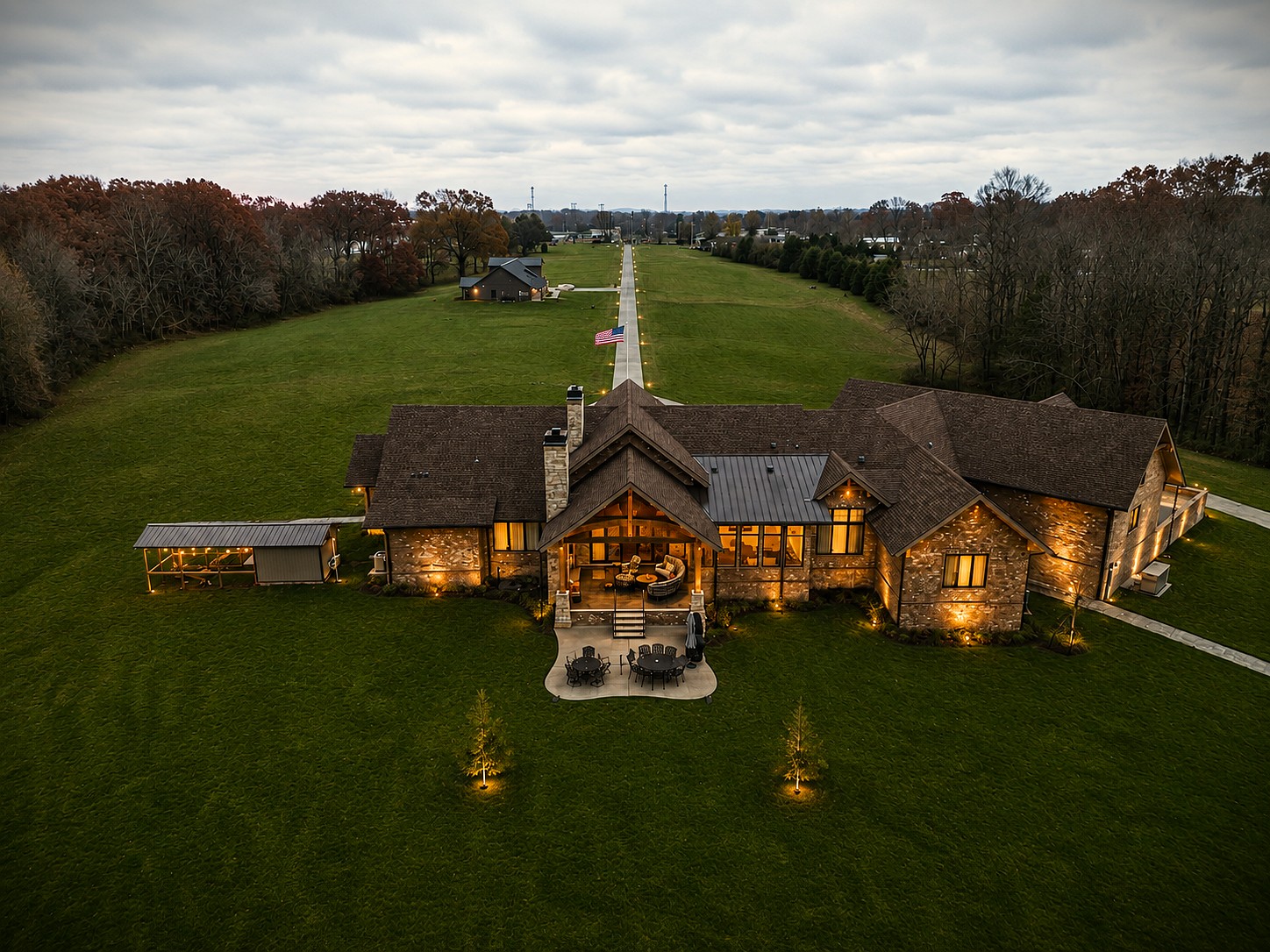
Aerial footage shows the biggest jump in sale speed of the three. Industry data compiled by Ruby Home puts homes marketed with drone photography at 68% faster to sell than the market average, and buyers shown aerial visuals are reported to be 65% more likely to schedule an in-person showing. For properties with significant land, water frontage, or a standout lot, drone footage does something ground-level photography and standard video simply can't: it shows scale and context in a single shot.
Quick Stats
Faster Sale
Homes with professional photos sell 32% faster, 89 vs. 123 days on market (Redfin).
Higher Price
Professionally photographed homes sell for $3,000 to $11,200 more, depending on price range (Redfin).
More Inquiries
Video listings get 403% more inquiries than listings without video (NAR).
Fastest Format
Drone-marketed homes sell up to 68% faster than the market average (Ruby Home industry data).
So What Actually Moves a Listing?
The honest answer: all three, in sequence. Photography gets a buyer to open the listing. Video keeps them on the page long enough to picture living there. Drone footage answers the question ground shots can't: what does the property, and everything around it, actually look like. Skipping any one of them isn't a budget shortcut, it's a gap in the story a buyer is trying to piece together before they ever pick up the phone.
BEST FOR
Sellers and listing agents deciding where to invest their marketing budget, and builders or developers weighing which formats to request for a new listing package.
Where the Data Doesn't Apply
These numbers are national averages pulled from Redfin, NAR, and industry-wide data, not a guarantee for any single property. A cluttered listing with drone footage of a parking lot won't outsell a well-staged home with strong ground photography. The format matters less than making sure whatever's on camera earns the extra attention.
TIP
If you can only afford one upgrade beyond baseline photography, the data points to drone, since it shows the single largest jump in sale speed of the three formats.
The Takeaway
Photography, video, and drone footage aren't competing line items on an invoice, they answer three different questions a buyer is asking before they ever walk through the door. The data says skipping any of them costs real time on market and real dollars at closing.