


Where the rules stand in California, Wisconsin and Tennessee, and how to use AI so it enhances the property without becoming the story.
KEY TAKEAWAY
AI is a tool, and the same tool can help or harm. California now requires labels on AI-altered listing photos, and Wisconsin follows in 2027. Used to enhance a real property, it improves the photo. Used to change what a buyer will find, it creates legal and trust problems.
What Changed This Year
California's AB 723 took effect January 1, 2026. When a listing photo has been digitally altered with AI, the law requires a clear label on or beside the image and access to the original, unaltered photo. Violations can carry penalties of up to $2,500 each and possible action against a license.
Wisconsin is next. Act 69 takes effect January 1, 2027 and covers one-to-four-unit residential properties, with a good-faith safe harbor for licensees who do not knowingly mislead.

LOCAL INSIGHT
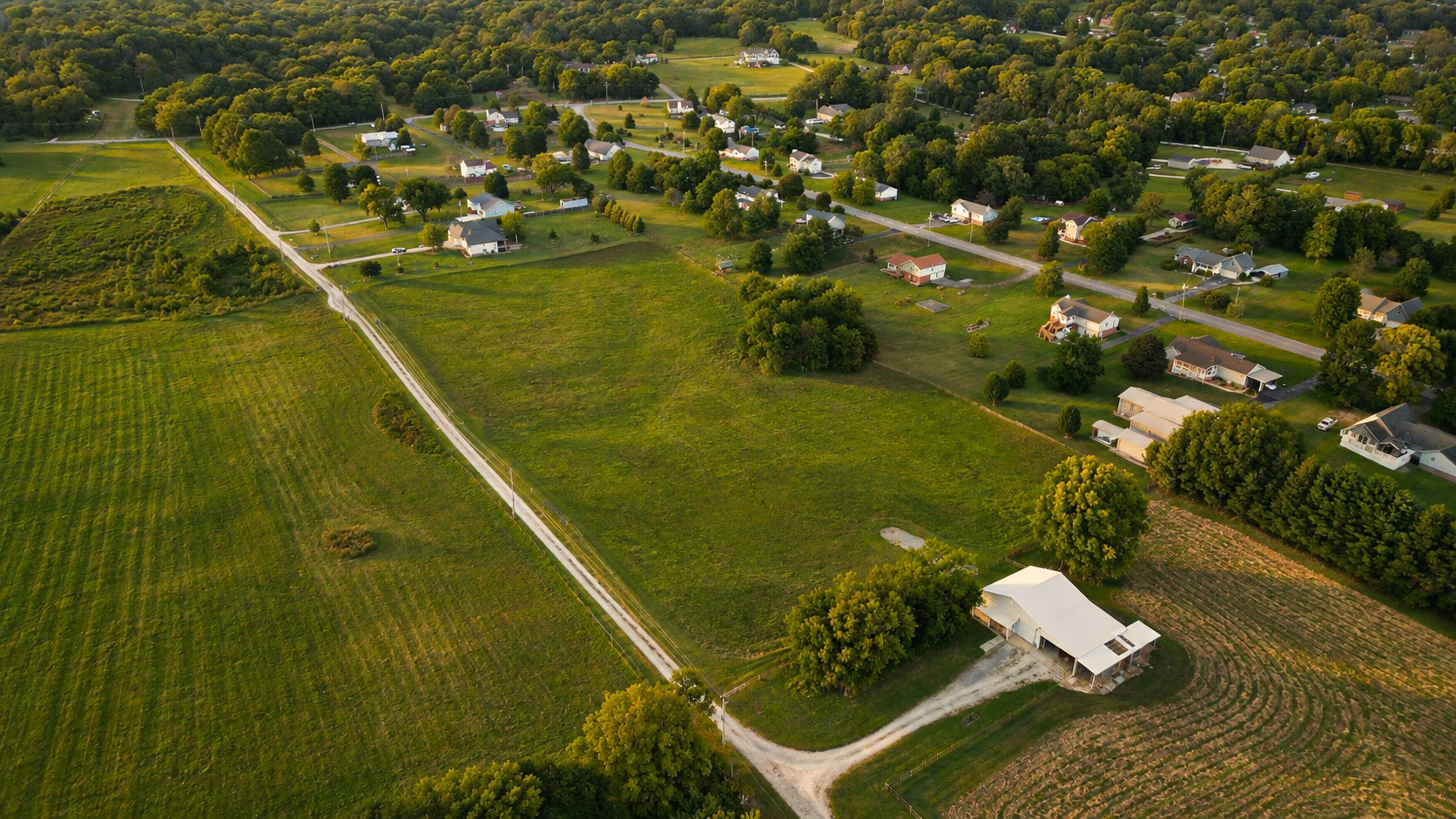
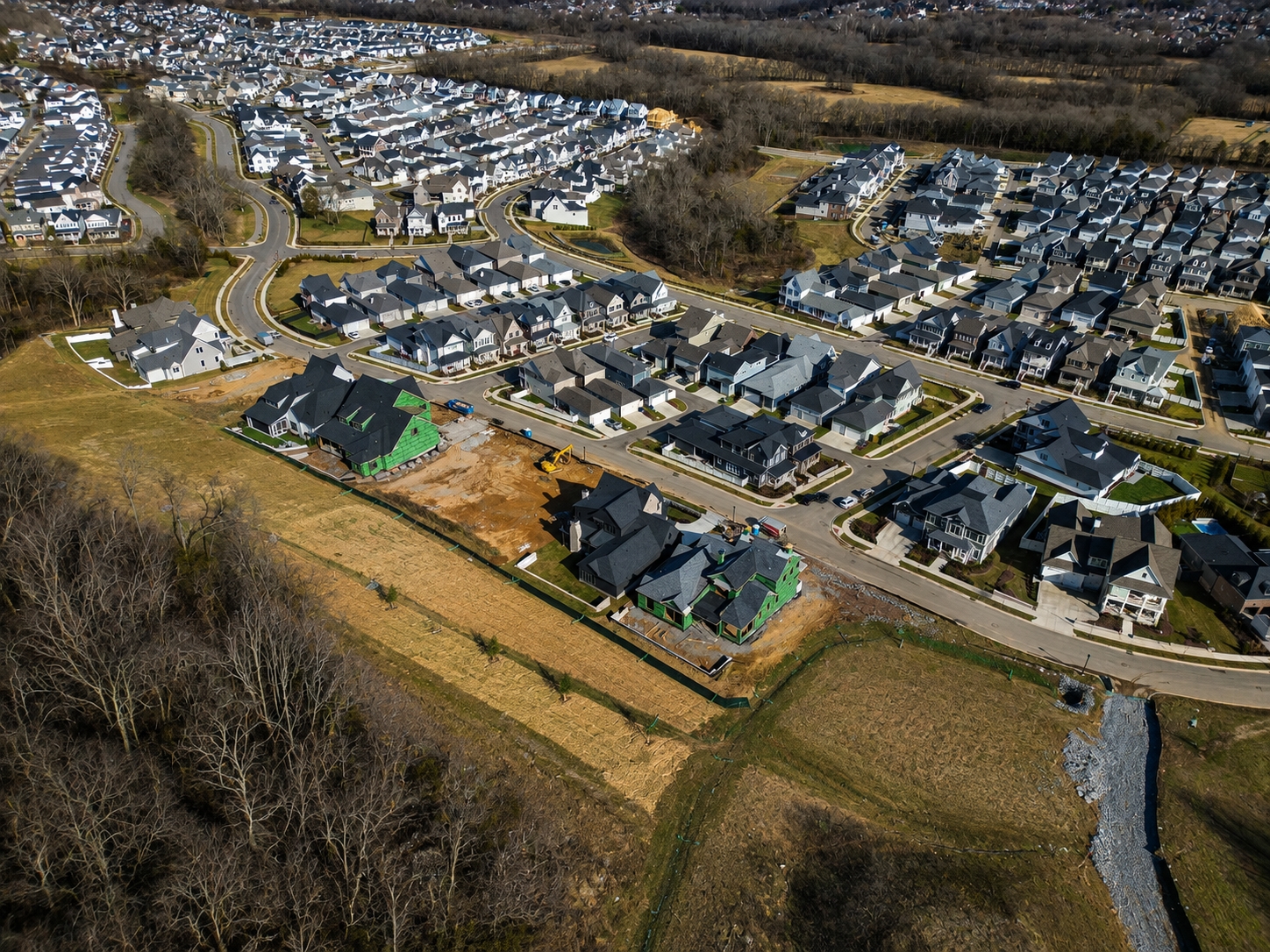
Many Middle Tennessee buyers are relocating or driving in from out of town, so the listing photos often decide whether they make the trip at all. A photo that overpromises costs more when the showing takes a day of travel.
Tennessee: No Dedicated Law, But Not a Free-for-All
In a July 2026 summary of state laws, California and Wisconsin were the only two states with dedicated AI photo disclosure statutes. Tennessee was not listed. That does not mean anything goes.
Elsewhere, enforcement runs through existing advertising rules, MLS photo policies and the NAR Code of Ethics. Several major MLSs now require disclosure directly. Read your MLS's current photo rules and ask your broker before you publish an edited image. This is general information, not legal advice.
AI is a tool. Use it to enhance the property, never to replace it.
AI Is a Tool, and Tools Cut Both Ways
AI is a tool, nothing more. A good tool does its job and disappears. If a buyer notices the editing before they notice the house, the tool is being used wrong.
Used well, AI enhances the subject while keeping its nature and elements honest and true. Take out the lawnmower someone left in the yard. Clear the hose and trash cans from the driveway. Remove a fresh oil spill that will be cleaned up before the first showing. Rebuild a piece of wall art that glare or a bad angle washed out. Nothing about the property changed. The photo just stops being distracted by things that are not part of it.
Used badly, it changes what the buyer will find: furniture that is not in the room, a power line or neighboring structure erased, a stained or cracked driveway made to look new, the condition of a floor, wall or yard altered. The test is simple. Will it be true when the buyer pulls up? If yes, the tool helped. If not, it replaced the subject.
Even honest edits can count as AI alteration under disclosure rules, and many MLSs allow virtual staging only when it is clearly disclosed. Different systems draw the line in different places, which is exactly why reading yours matters.
Quick Stats
California AB 723
In effect since January 1, 2026
Wisconsin Act 69
Effective January 1, 2027
Tennessee
Up to $2,500 per violation
California Penalty
No dedicated statute in the July 2026 summary reviewed
The First-Impression Problem
A listing photo is the first showing. The buyer forms an opinion before they ever see the street, and then the property has to match it. When the photo promises something the front door does not deliver, the showing starts by recovering from a gap instead of building on a good impression.
That is a trust problem before it is a compliance problem. Disclosure rules exist because the gap between a photo and a property is where buyers lose confidence in the listing, and sometimes in the agent.
BEST FOR
Listing agents, brokers and sellers choosing how to prepare listing photos, and anyone commissioning real estate photography in Middle Tennessee.
A Workable Standard for Your Listings
- Photograph the property as it is, and use AI only to remove temporary clutter or a distraction, never to change what is permanent.
- Let AI enhance the subject, never become the subject. If the edit is the first thing a buyer notices, pull it back.
- If you use virtual staging or other AI edits, label the image clearly where your MLS or state requires it.
- Never alter permanent features, views or the condition of the property.
- Keep the unaltered original of every photo.
Those habits cover most of what California's law asks for and keep you well clear of the questions an MLS or a buyer's agent might raise.
TIP
Run the first-glance test: if the editing is the first thing a buyer notices, you have used the tool wrong. Keep the unaltered original either way.
Common Questions About AI Listing Photos
Do I have to disclose virtual staging?
In California, AI-altered images must be labeled. Elsewhere it depends on your MLS and local rules, and many MLSs require disclosure. Disclosing is the safe default.
Does Tennessee require AI photo disclosure?
In the July 2026 state-law summary we reviewed, Tennessee had no dedicated statute. MLS policies and the NAR Code of Ethics still apply, so check yours.
What counts as an AI-altered photo?
Generally, an image where AI adds, removes or changes elements beyond ordinary corrections to exposure, color and lens distortion. Your MLS's definition controls for your listing.
Should I keep the original photos?
Yes. California's law requires access to the original, and the original is your best answer if an image is ever questioned.
Source: ReelEstate, AI Photo Disclosure Map (July 7, 2026). Laws and MLS policies change, so verify current requirements before publishing.