

What changes for new drones, what stays the same for the one already flying your listing, and what to ask the pilot you hire.
KEY TAKEAWAY
The FCC rule taking effect October 13, 2026 blocks new equipment authorizations for drones built with DJI or Autel components, including US-assembled ones. It does not ground drones already in use. Your listing shoots can continue under FAA Part 107, but fleet age and repair access are fair questions for any pilot.
What the Rule Actually Does
The rule reached the Federal Register on September 11, 2026 and takes effect October 13. It stops the FCC from granting equipment authorization to any radio device that contains logic-bearing components made by companies on the FCC's Covered List, which in practice means DJI and Autel.
The FCC defines those components broadly. Flight controllers, radio modules, camera boards and gimbal controllers all count. The part that surprises people is that the rule reaches drones designed and assembled in the United States. A US company cannot get around it by building the airframe here and buying the electronics from a covered manufacturer.
Applications already pending on October 13 are grandfathered, but that protection ends if the applicant changes or substitutes a covered component.

LOCAL INSIGHT
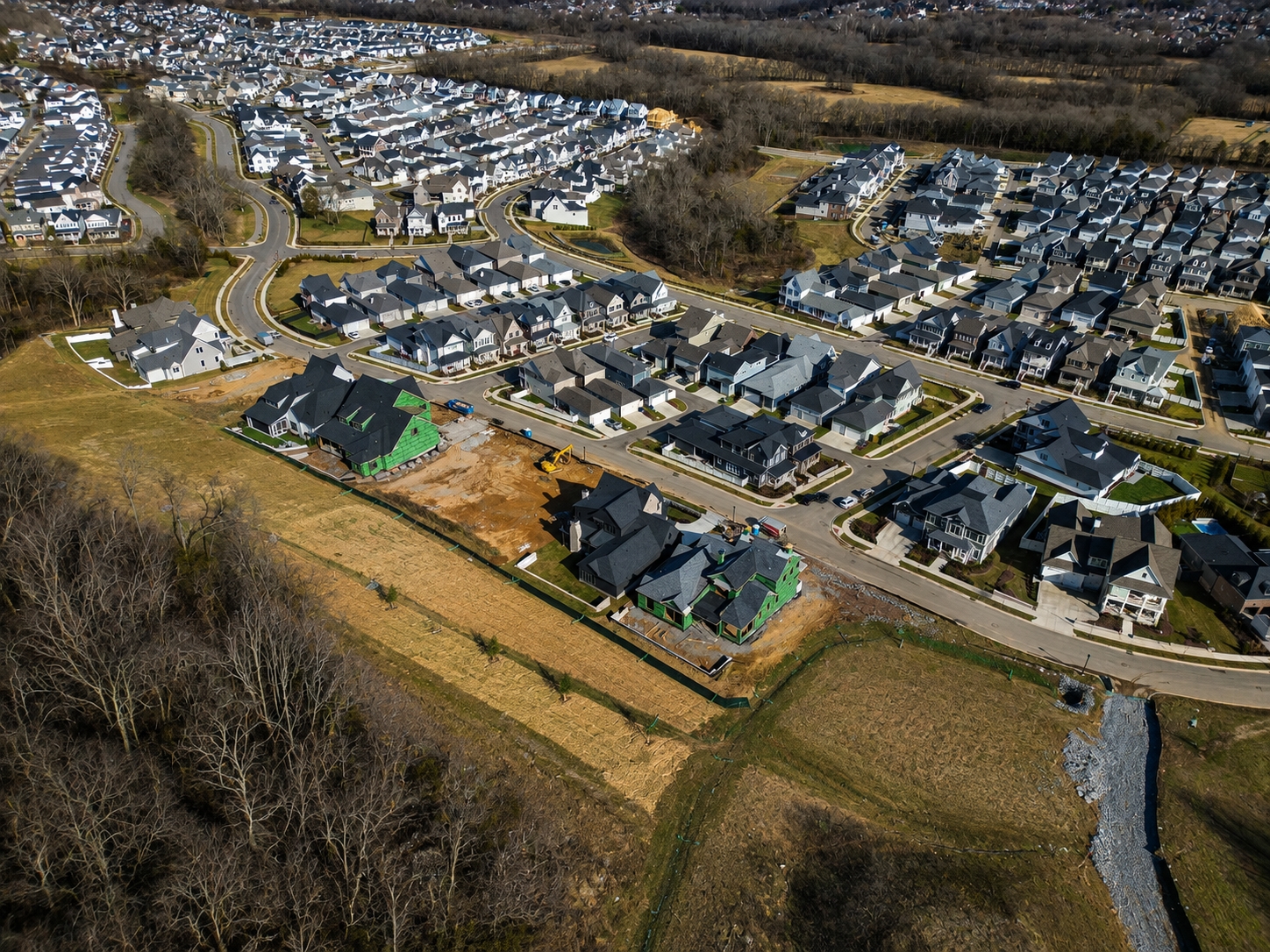
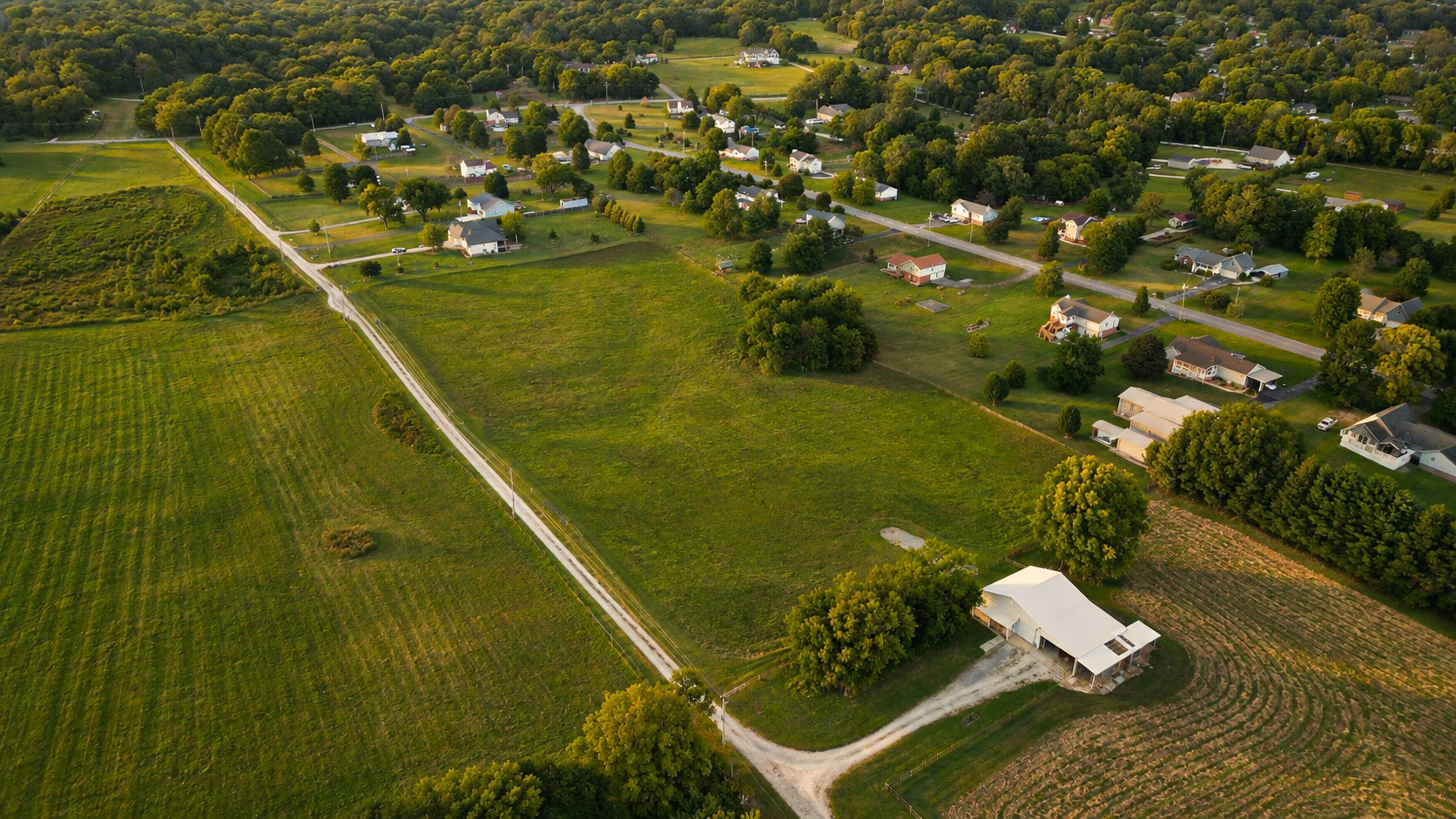
Middle Tennessee listings often mean acreage, hilltop and estate properties where aerial coverage carries real weight in the marketing, so a missed flight window because of a grounded aircraft costs more than it would on a standard subdivision lot.
What It Does Not Do
It does not affect drones people already own. Equipment that was authorized before the rule stays authorized. The FAA has not issued any grounding order, and drones already in the US were not remotely disabled.
This is the second step, not the first. Since December 23, 2025, new DJI models have been unable to get the FCC authorization they need to enter the US market. Models approved before that date, including current products like the Mavic 4 Pro, Air 3S and Mini 5 Pro, remain legal to own and fly.
The rule changes what pilots can buy next, not what they can fly today.
What Still Governs Your Listing Shoot
Nothing about how commercial drone work is regulated changed with this rule. Every paid flight still falls under FAA Part 107: a certificated remote pilot, a 400-foot ceiling, and visual line of sight with the aircraft. Those rules are the FAA's, and this one comes from the FCC, which regulates the radio equipment itself.
That distinction matters because the two get blurred in headlines. The FCC decides what hardware can be sold. The FAA decides who can fly it and how.
Quick Stats
Published in Federal Register
September 11, 2026
Takes Effect
October 13, 2026
Drones Already Owned
No new FCC authorization since December 23, 2025
New DJI Models
Not affected. Authorized equipment stays legal to fly.
Where It Could Actually Touch Your Pilot
The real exposure is operational, not legal. Industry guidance expects repair turnaround times to stretch, authorized repair options to shrink, and batteries, propellers and other parts to get harder to source as supply tightens. Operators also cannot buy new DJI aircraft to replace aging ones.
For a pilot running a recent fleet, that is a minor inconvenience. For a pilot running older gear with no backup aircraft, it is a scheduling risk, and the schedule at risk is your listing date.
BEST FOR
Listing agents, brokers and property owners booking aerial photography and video for Middle Tennessee listings.
Three Questions Worth Asking the Pilot You Hire
- What do you fly, and how old is it?
- If that aircraft goes down the morning of my shoot, what is the plan?
- Are you current on your Part 107 certificate and Remote ID requirements?
None of these are red flags. They are the same questions any professional operator should be able to answer without hesitating, and the answers tell you more than a portfolio reel does.
TIP
Ask your pilot what they fly, how old it is, and what happens to your shoot date if the aircraft goes down. Good operators answer in one breath.
Common Questions About the FCC Drone Rule
Is DJI banned in the US?
Not in the sense most people mean. New DJI models cannot get FCC authorization to be sold here, but drones already authorized and already owned remain legal to fly.
Can I still hire a pilot who flies a DJI drone?
Yes. Commercial flights are governed by FAA Part 107, and nothing in the FCC rule restricts operating an already-authorized aircraft.
When does the new rule take effect?
October 13, 2026. It was published in the Federal Register on September 11, 2026.
Does the rule apply to Autel drones too?
Yes. The rule covers logic-bearing components made by companies on the FCC Covered List, which primarily means DJI and Autel.
Does this change the footage I get on my listing?
No. Aerial footage quality depends on the aircraft, the pilot and the flight plan. The rule changes what manufacturers can bring to market, not what an authorized aircraft can capture.
Sources: DroneXL (September 21, 2026) and UAV Coach. Rules change quickly, so confirm current status with the FCC and FAA before making equipment decisions.