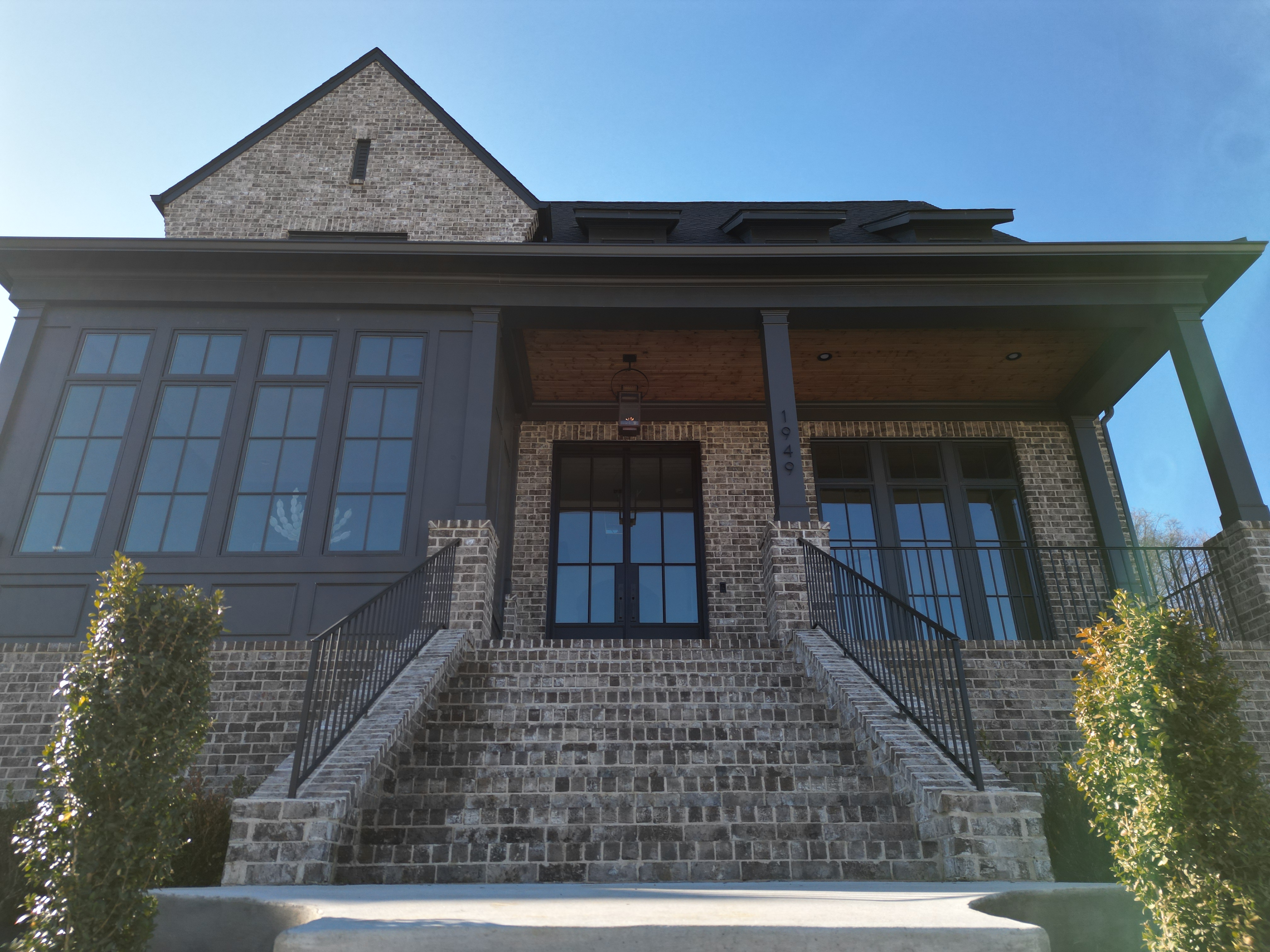


Greater Nashville Realtors' Q3 data has $1M to $1.9M sales up 11% and $2M-plus sales up 6.5%, while total closings slipped about 2%. This is a split market, not a hot one.
KEY TAKEAWAY
The surge is real but narrow. Sales from $1M up grew in Q3 while every bracket below $1M fell and total closings slipped about 2%. Cash, equity, and investment gains explain why top-end buyers are less sensitive to 7% rates. Part of the count is also price drift pushing homes over the $1M line, so read the number as a split market, not a booming one.
What the Q3 numbers actually show
Quick answer: Million-dollar home sales are rising in the Nashville area because buyers with cash, equity, or investment gains are less sensitive to 7% mortgage rates, while buyers below $1 million are squeezed by monthly payments. In Q3, sales of $1M to $1.9M homes rose 11% and $2M-plus sales rose 6.5%, but total closings fell about 2%.
Every market has a top end that behaves differently from the rest. Right now in Middle Tennessee, the gap between the two is the story.
Greater Nashville Realtors' third-quarter data, covering nine counties and reported by Axios Nashville, shows sales of homes priced from $1 million to $1.9 million up 11% from the same quarter last year. Homes at $2 million or more rose 6.5%. Every price bracket below $1 million declined.
Zoom out and the picture changes. The region logged 9,082 closings in the quarter, down about 2% from 2025. The seven-figure bracket is growing inside a market that is, overall, a little smaller than it was a year ago.

LOCAL INSIGHT
Davidson County sold 94 homes at $1 million or more in 2005, under 1% of all sales. By 2025 that was 1,419 homes, about 13% of transactions, according to Greater Nashville Realtors president Jack Gaughan. The top end is no longer a niche here.
Why seven-figure buyers are still buying
The short version is that rates matter much less to a buyer who is not financing most of the purchase. Redfin's analysts and Miller Samuel's Jonathan Miller have both pointed to affluent buyers who bring large down payments, home equity, or all cash to the table, as Axios reported in May. Stock market gains have added to that cushion.
Compare that with a buyer at the median. The 30-year fixed rate was 7.18% in Freddie Mac's November 5 survey, down from 7.24% the week before but well above the 6.22% of a year earlier, per RISMedia. On a $400,000 loan, that gap adds roughly $255 a month in principal and interest. On a $1.2 million loan it adds roughly $764. Both are real money, but only one of them decides whether a household can qualify at all.
Tennessee also does not tax wage income, which is part of why high earners from other states keep looking at the Nashville area. I have no Nashville-specific number for how much migration is behind Q3, so treat it as a contributing factor, not a measured share.
A split market is not a hot market. Seven-figure sales grew while every bracket below $1 million shrank.
Why the count may overstate the surge
A few things are worth keeping in mind before reading 11% as an 11% jump in wealthy buyers.
First, the $1 million line does not move. Home prices in the Nashville area have climbed a long way in the past decade, so a home that sold at $850,000 a few years ago can now cross into seven figures without getting any bigger or better. Some of the growth in the bracket is price drift, not new demand. I do not have a figure for how much, and the Q3 data counts sales, not price changes.
Second, the yardsticks differ. Greater Nashville Realtors uses a flat $1 million threshold. Redfin defines luxury as the top 5% of sales in each metro. In Redfin's three months through May 31, Nashville luxury pending sales were up 24.5%, according to Mortgage Professional. That is a different measure over a different window, and the two should not be stacked.
Third, a quarter is one data point. One strong quarter at the top end is not a trend line, and the fourth-quarter numbers will say more.
Quick Stats
+11%
Q3 sales of $1M to $1.9M homes, year over year.
+6.5%
Q3 sales of homes priced at $2M or more.
1,419
Total Q3 closings across nine counties (9,082).
-2%
Davidson County sales at $1M+ in 2025, up from 94 in 2005.
Land, privacy, and acreage: what I keep seeing
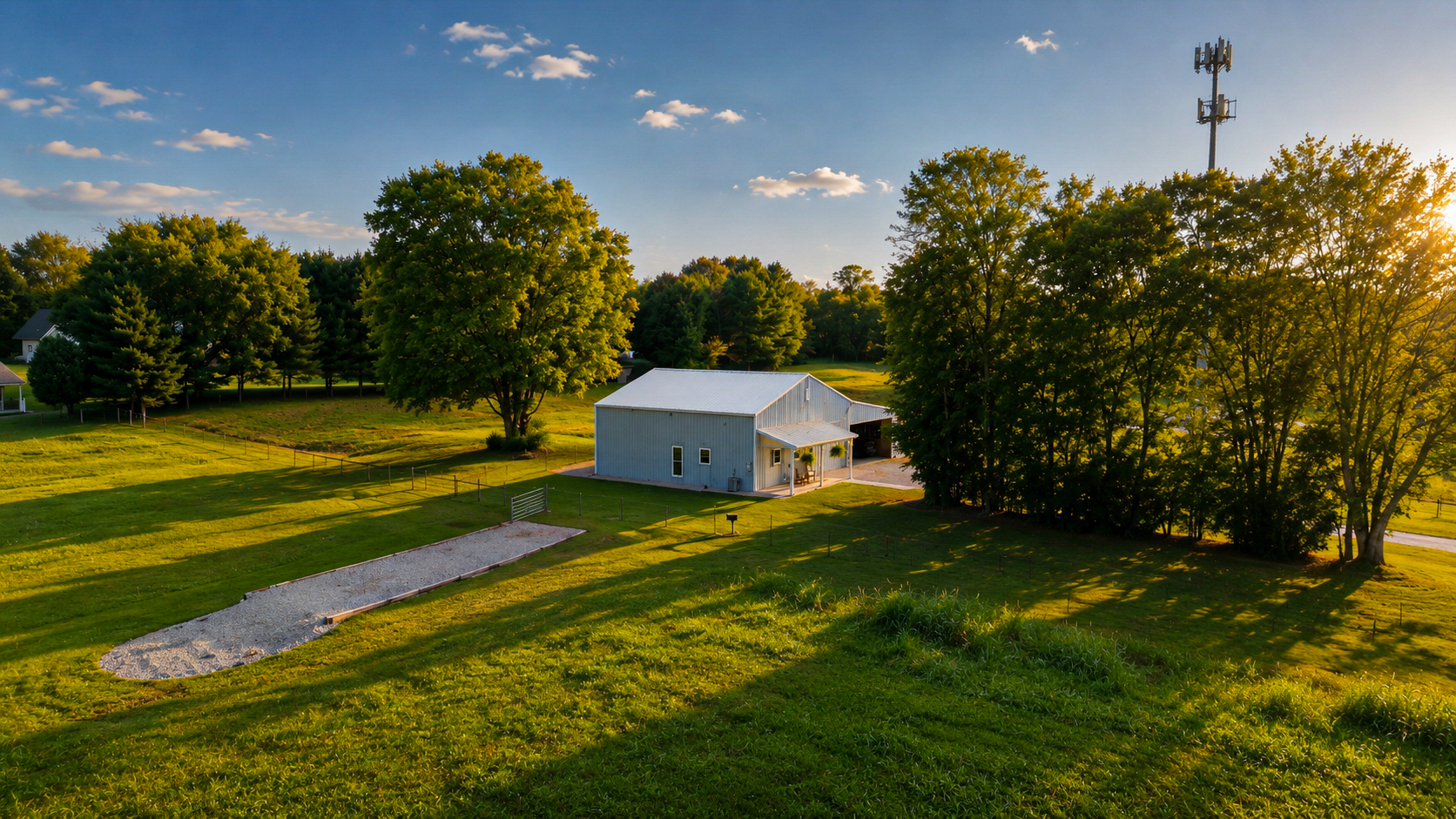
One pattern shows up in my own work that the bracket data does not capture. More people are looking for farm, ranch, and acreage listings than for the average single-family home. They are asking about land, room, and privacy.
That is anecdotal. It comes from what I see as a REALTOR and from the properties we are asked to shoot, not from a count I can hand you. I could not find Tennessee-specific land-sales data to back it up or contradict it.
The national land data gives context without settling it. The National Association of Realtors reported that U.S. land sales rose 0.8% in 2025, with ranch land showing the strongest price growth at 2.2%, and recreational land making up about 30% of sales. Members surveyed expected prices to soften slightly in the near term. That report is from NAR's Commercial Insights and does not break out Tennessee.
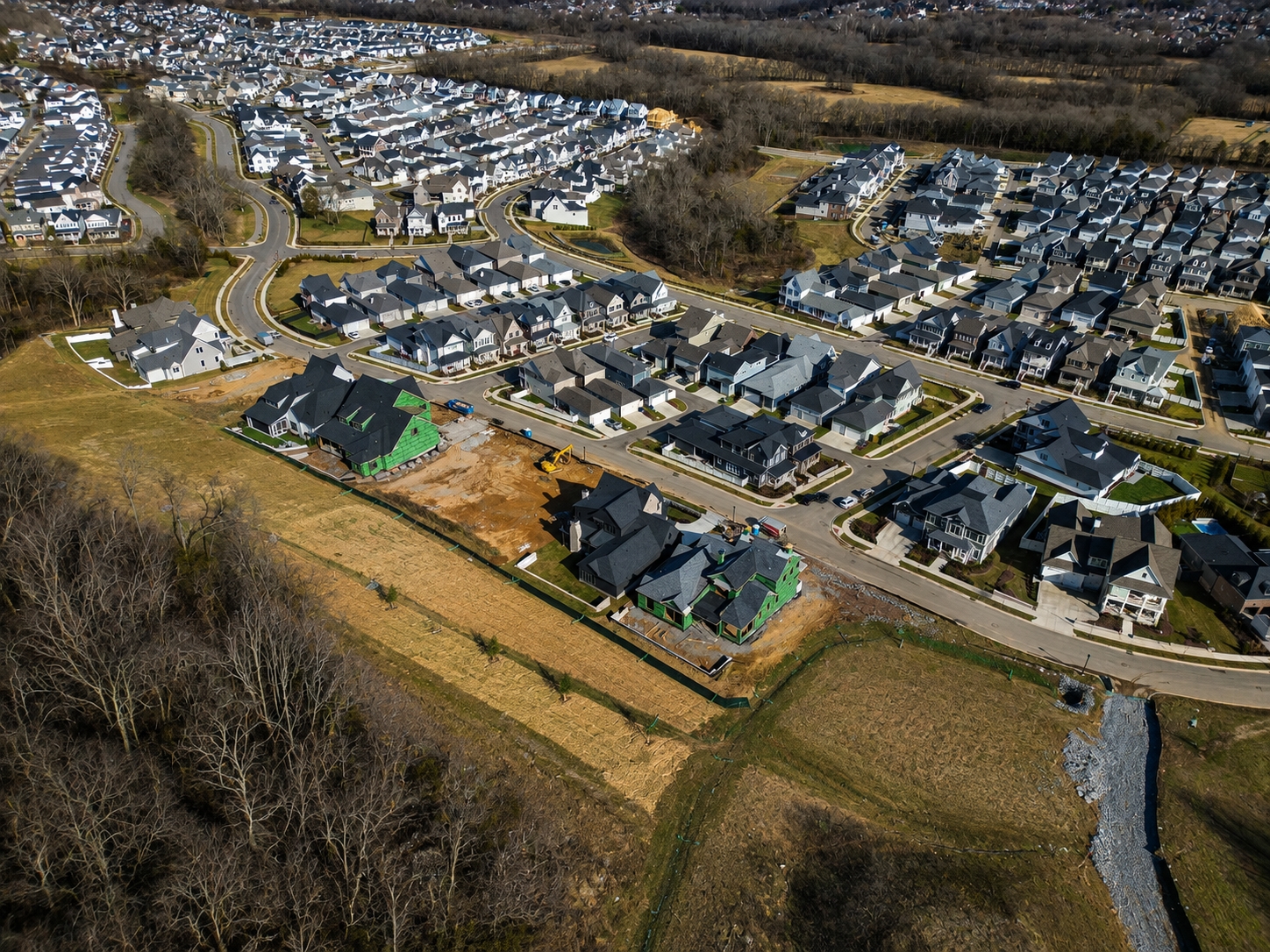
Why would acreage track the top end? Privacy and room cannot be added to a lot in a dense subdivision, and a buyer who is not stretching on a mortgage has more room to pay for them. That is an inference, and it is the kind of thing I would like to see tested against Middle Tennessee county data before anyone treats it as fact.
BEST FOR
Anyone comparing Middle Tennessee price brackets before listing or making an offer, and anyone trying to understand why the top of the market and the middle are moving in opposite directions.
The other side of the split
The same Q3 data that shows seven-figure strength shows weakness everywhere else. Every bracket below $1 million declined.
A Redfin analysis from August found that fewer than one in four Nashville-area homes for sale was affordable to a household earning the local median income. Redfin estimates a household needs about $128,000 a year to afford a typical home, roughly $32,000 above the area's median income. In a Vanderbilt University poll this spring, 82% of Nashville residents said they could not afford to buy in Davidson County. All three figures are reported in the Axios piece above.
Rates are moving the right way for the first time in a while, with three straight weekly declines through November 5. But Real Estate News reported that mortgage purchase applications were still down 19% year over year in late October, so lower rates have not yet brought buyers back.
What to watch next
Three things will show whether this split is widening or closing: fourth-quarter bracket data from Greater Nashville Realtors, whether the sub-$1 million brackets stop shrinking as rates ease, and whether $1M to $1.9M sales hold their growth.
What it means for marketing a home
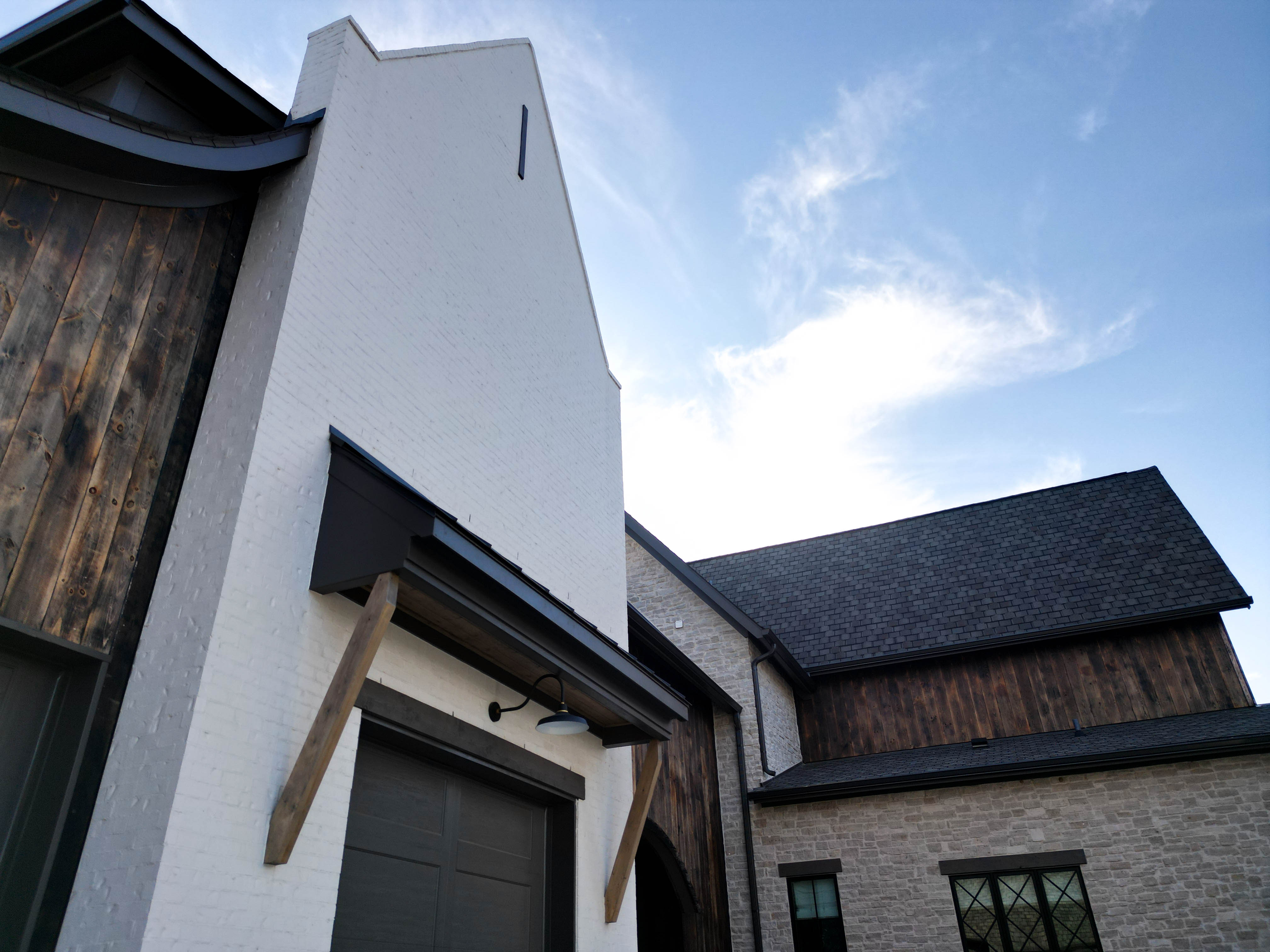
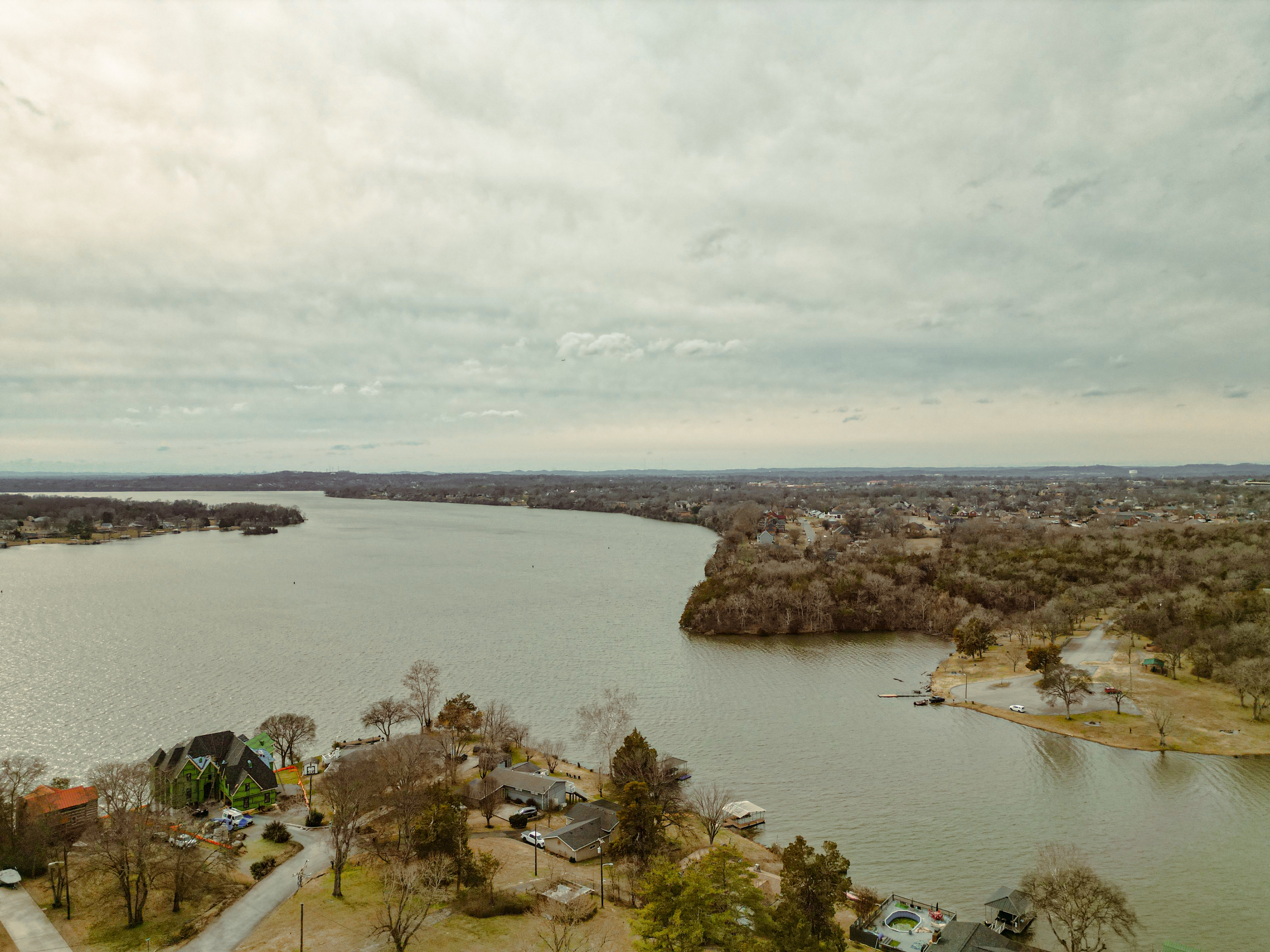
At the top end, buyers are comparing several strong options at once and have time to be selective. The presentation of a listing, including photography, video, and aerial context for acreage, does a lot of the early filtering. Below $1 million, where buyers are scarcer, the job is reaching them at all.
TIP
If you are pricing a home near $1 million, pull sales from the bracket just above and just below it. The $1 million line is a psychological threshold for buyers, and homes priced a few thousand dollars on either side can draw very different audiences.
Common questions about Nashville million-dollar home sales
Is the Nashville housing market hot right now?
Not overall. Total Q3 closings across nine counties were 9,082, down about 2% from last year. Growth is concentrated at $1 million and above.
Are million-dollar home sales up across all of Middle Tennessee?
The Q3 figures cover a nine-county Greater Nashville Realtors area. I do not have a county-by-county breakdown, so I cannot say whether the growth is even across the region.
Does a rise in sales mean prices are rising?
No. The data counts closed sales by price bracket. It does not report whether prices are going up or down within a bracket.
Is a $1 million home luxury in Nashville?
It depends on the yardstick. Greater Nashville Realtors counts a flat $1 million. Redfin uses the top 5% of sales in each metro, which is a different cutoff and can change over time.
Why are lower-priced sales falling?
Affordability is the main pressure. A household needs roughly $128,000 a year to afford a typical home in the area, about $32,000 above the median income, and mortgage rates remain above 7%.
Updated November 9, 2026. Sources: Greater Nashville Realtors Q3 2026 data and Redfin affordability figures as reported by Axios Nashville; Axios; RISMedia; Real Estate News; Mortgage Professional; NAR. Monthly payment figures are principal and interest only, calculated by Houstonopolis Creative.